
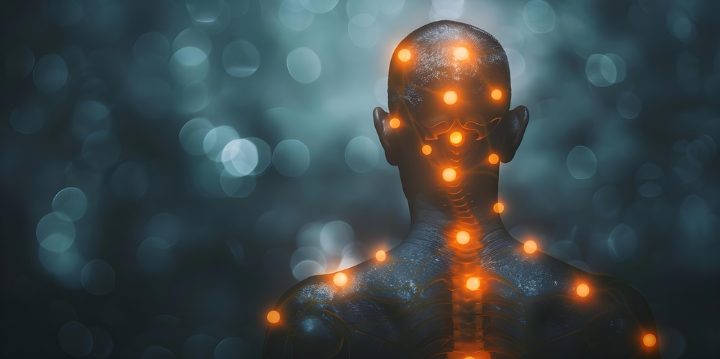
An estimated 60 million American adults experience chronic pain. Among them, 21 million report what is referred to as high-impact chronic pain. The total numbers represent roughly 24% of the U.S. adult population. Unfortunately, what so many people do not understand is that chronic pain is more than just a physical issue.
Chronic pain is defined as pain that is felt either daily or almost daily for three months or longer. So imagine having a sore back. Maybe you get lucky and your back pain resolves in a couple of weeks. Perhaps it doesn’t. Maybe you are still feeling uncomfortable six months later. Now your pain is a chronic issue.
A Bidirectional Relationship
The thing about chronic pain is that it can affect mental and emotional well-being. More importantly, the impact can be profound. Things are made worse by the fact that the relationship between physical pain and mental and emotional well-being is bidirectional.
What does that mean? It means that chronic pain can lead to physical stress, resulting in the release of hormones and neurochemicals. In turn, the hormones and neurochemicals disrupt mood regulation.
The result is that people experiencing chronic pain may also feel poorly from a mental and emotional standpoint. The resulting anxiety, depression, etc. creates additional physical stress that only exacerbates the pain. If it continues long enough, the person develops a never-ending loop of physical pain and emotional and mental stress.
Impacts on Mental Health
Lone Star Pain Medicine is a Weatherford, TX, pain clinic that specializes in helping patients manage chronic pain. One of their goals is to help restore as much function as possible. Why? Because restoring function helps the patient regain some of the normalcy they experienced before the pain set in. This usually helps to improve the patient’s mental health.
Conversely, patients left to deal with chronic pain on their own experience very real mental health issues. Here are the most common impacts:
- Mental Health Disorders – Chronic pain patients are more likely to experience depression, anxiety, and other mental health disorders. They are also more likely to experience substance abuse.
- Isolation – Chronic pain patients are much more likely to experience social isolation. They tend to feel hopeless and irritable, and they are less likely to work and participate in leisure activities.
- Sleep Disturbances – Chronic fatigue and insomnia are fairly common among chronic pain patients. They find it difficult to get comfortable enough to sleep. Unfortunately, sleep deprivation only adds to a lack of emotional well-being.
- Increased Pain Sensitivity – Mental health issues resulting from chronic pain can actually increase a patient’s physical pain sensitivity. What would normally be considered minor pain becomes a major source of discomfort that only exacerbates the physical-mental cycle.
Though it is an oversimplification, the best way to describe the relationship between chronic pain and mental and emotional well-being is to say that chronic pain patients just want the pain to stop. As long as it persists, they cannot be comfortable, happy, or relaxed.
More Than Just Drugs
Lone Star operates on the philosophy that effective pain management is about more than just drugs. Sometimes prescription medications are necessary. But there are plenty of complementary and alternative treatments doctors and patients can look at.
Writing a prescription and sending a chronic pain patient on his way is inappropriate. Chronic pain patients need a combination of treatment and pain management practices. They may need to learn coping skills as well. Chronic pain is more than just a physical problem. It requires more than a minimal pharmacological treatment.
