
Tanzania is a year-round safari destination, but the experience changes dramatically from month to month. Some months give you easy game viewing and dry roads. Others offer green landscapes, newborn animals, and far fewer vehicles. Choosing the right time depends on your priorities, whether that is wildlife density, the Great Migration, budget, photography, or avoiding crowds. This guide covers the whole country, not just one park, so you can match the calendar to the trip you want.
The Short Answer
For most first-time visitors, late June to October is the best time for a Tanzania safari. The dry season concentrates wildlife around water, the vegetation thins out, roads are in good condition, and the weather is sunny and comfortable. If you prefer fewer people and lower prices, January to February and the November to early December window are strong alternatives. The long rains in April and May are the quietest and cheapest period, but also the most challenging for travel.
There is no universally best month, only the best month for what you want to see and how you like to travel.
How Tanzania’s Seasons Work
Tanzania sits just south of the equator, so temperatures stay fairly steady through the year. What changes is rainfall. The year divides into four broad phases:
- Long dry season (late June to October): little rain, cooler nights, and animals gathering at rivers and waterholes.
- Short rains (November to December): brief, often afternoon showers that green the landscape.
- Short dry season (January to early March): warm and mostly dry, with excellent wildlife activity in several parks.
- Long rains (mid-March to May): heavy, sustained rain, muddy tracks, and some lodge closures.
Exact timing varies from year to year, so treat these as typical patterns, not guarantees.
Month-by-Month Overview
January: Warm, green, and often dry spells between showers. Large herds gather on the southern plains of the Serengeti, with calving beginning. Good value compared with the dry-season peak.
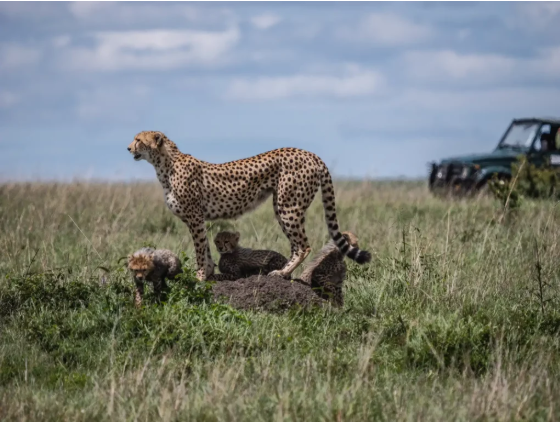
February: Often the peak of calving season on the southern plains and Ndutu area, with strong predator activity. One of the best months for dramatic wildlife action, and busier than many expect.
March: Rains begin to build toward the end of the month. Wildlife remains good, and prices start to soften. Some remote areas become harder to reach.
April: The heart of the long rains. Fewer visitors, the lowest rates, lush scenery, but frequent heavy rain and muddy roads. Some camps close.
May: Still wet, but conditions begin to ease late in the month. Excellent for budget travelers who accept the weather risk.
June: The dry season starts. The landscape is green but drying, crowds are modest, and conditions improve each week. A good compromise between value and wildlife.
July: Dry, sunny, and increasingly busy. Wildlife concentrates around water, and the northern Serengeti becomes a focus for river crossing activity.
August: Peak season. Excellent game viewing, cool mornings, and the highest demand. Book well ahead.
September: Still dry and excellent, with slightly fewer visitors than August. Many experienced travelers consider it one of the best months overall.
October: Dry and warm, with the first signs of change late in the month. Good wildlife, and slightly easier to find availability than in August.
November: Short rains begin, scenery turns green, and crowds thin. Good value, with generally manageable weather.
December: A mix of showers and sunshine, with festive-season demand around Christmas and New Year. Book early for the holiday period.
Best Time by Region
Tanzania’s parks differ in how seasons affect them, so the right month depends on where you are going.
Northern Circuit: Serengeti, Ngorongoro, Tarangire, Lake Manyara
The most popular safari region, and the one most affected by migration timing.
- Serengeti: Calving in the south from roughly January to March, river crossings in the north from roughly July to October.
- Ngorongoro Crater: Wildlife is present year-round, as the crater’s resident animals don’t migrate. The dry season has the easiest conditions, while the green season is quieter and scenic.
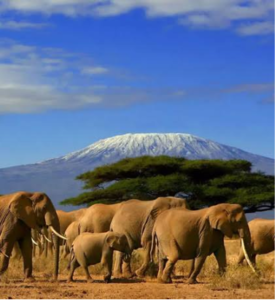
- Tarangire: Best in the dry season, roughly June to October, when elephants and other animals concentrate along the river.
- Lake Manyara: Rewarding most of the year, with birdlife at its best during the wetter months.
Southern Circuit: Nyerere and Ruaha
The south is quieter and wilder, with fewer vehicles. The dry season, roughly June to October, is the best time, since animals gather along rivers and the thinner bush makes sightings easier. The rainy months can make some areas inaccessible, and a number of camps close.
Western Tanzania: Mahale and Katavi
Remote and adventurous. The dry season, roughly June to October, is generally best for chimpanzee tracking at Mahale and for game viewing at Katavi, where animals concentrate along shrinking water sources. Access is limited by weather and flight schedules in wetter months.
Zanzibar and the Coast
For beach add-ons, the drier months, roughly June to October and January to February, are most reliable. The long rains in April and May can bring heavy showers and some resort closures.
Best Time by Priority
Choose your month based on what matters most.
- Great Migration river crossings: roughly July to October, northern Serengeti.
- Calving season and predators: roughly January to March, southern Serengeti.
- Easiest wildlife viewing overall: late June to October.
- Fewest crowds: roughly April, May, and November.
- Lowest prices: the long rains, followed by the shoulder months.
- Photography: the dry season for clear light and open views, or the green season for dramatic skies and rich color.
- Birdwatching: roughly November to April, when migratory species are present.
- Families with school holidays: July to August and December often fit school calendars, but book far in advance.
- Honeymoons: the dry season for reliable weather, or January to February for calving and a quieter feel.
Costs and Crowds Through the Year
Timing affects both price and atmosphere.
- High season (roughly late June to October, plus Christmas and New Year): the highest lodge and camp rates, more vehicles at popular sightings, and early sell-outs.
- Shoulder season (roughly January to early March, and November): good wildlife with softer prices and fewer crowds.
- Low season (roughly April to May): the lowest accommodation rates and the quietest parks, with heavy rain and possible closures.
National park fees at premium parks are generally set regardless of season, so most seasonal savings come from accommodation and operator pricing. Fees and rates change, so always confirm current figures with your operator.
The Dry Season vs. the Green Season
Dry Season Advantages
- Animals concentrate near water, making sightings easier
- Thinner vegetation improves visibility
- Roads and tracks are in better condition
- Lower mosquito activity
- Reliable weather for planning
Dry Season Trade-Offs
- Higher prices and heavier demand
- More vehicles at popular sightings
- Dust and cooler early mornings
Green Season Advantages
- Lush landscapes and dramatic skies
- Newborn animals and active predators in some regions
- Excellent birdlife
- Fewer visitors and lower prices
Green Season Trade-Offs
- Rain can disrupt game drives and road access
- Dense vegetation can make animals harder to spot
- Some camps close, especially during the long rains
Many experienced travelers prefer the shoulder months because they balance good wildlife with fewer crowds and softer pricing.
Climbing Kilimanjaro and Combining a Safari
Many visitors combine a safari with a climb or a beach stay. Kilimanjaro’s best climbing windows are generally the drier periods, roughly January to early March and June to October. Safari-first or climb-first ordering is a personal choice, though many people prefer to trek first and relax afterward. Plan extra days for recovery, and check with a doctor about altitude and health requirements.
Practical Planning Tips
- Book early. For August and the holiday period, book nine to twelve months ahead where possible.
- Stay flexible. Rain patterns and animal movements shift from year to year.
- Choose experienced guides. They read conditions and know where the wildlife is likely to be.
- Pack layers. Mornings can be cold, especially from June to August, and afternoons warm.
- Prepare for health requirements. Talk to a doctor about vaccinations and malaria prevention well before travel.
- Check visa and entry rules for your nationality.
- Buy comprehensive travel insurance, including medical evacuation.
Conclusion
The best time for a Tanzania safari depends on your priorities. For the most reliable game viewing and the highest chance of dramatic river crossings, plan for roughly late June to October. For calving season, strong predator action, and softer prices, choose January to February. For quiet parks, green scenery, and lower rates, consider November or the early months of the long rains, accepting some weather risk. Whichever month you choose, match your route to the season, book early for peak periods, and allow flexibility, because Tanzania’s wildlife follows the rain and not the calendar.
Seasonal patterns shift from year to year, and wildlife movements are never guaranteed. Confirm current conditions, fees, and availability with your operator before you book.
Key Takeaways
- Late June to October is the best overall window, with the most reliable game viewing.
- January to February offers calving season and strong predator action at shoulder-season prices.
- April and May bring the long rains, the lowest prices, and the fewest visitors, with heavy rain and some closures.
- November and December have short rains, green scenery, and good value.
- The southern and western parks are best in the dry season.
- Park fees at premium parks are largely fixed, so seasonal savings come mainly from accommodation.
- Book early for peak months and holiday periods.
Frequently Asked Questions
- What is the best month for a Tanzania safari?
There is no single best month. August and September are excellent for overall game viewing, while February is superb for calving and predators. Choose based on what you most want to see. - Is Tanzania safari worth it in the rainy season?
It can be, for flexible travelers. You will find fewer visitors, lower prices, and lush scenery, though heavy rain can disrupt drives and some camps close. The short rains of November and December are usually easier than the long rains. - When is the cheapest time to go?
The long rains, roughly April to May, usually have the lowest accommodation rates. November and early December can also be good value. - When can I see the Great Migration?
The migration is continuous. Herds are typically in the southern Serengeti from roughly January to March, move north and west in the following months, reach the northern Serengeti from roughly July to October, and return south in November and December. - When is the best time to see river crossings?
Roughly July to October in the northern Serengeti, though crossings are never guaranteed on any given day. - What is the best time for a family safari?
Many families travel in July, August, and December because of school holidays, but these periods are busy and expensive. Shoulder months can offer better value and fewer crowds, if your schedule is flexible. - When is the best time to combine a safari with Zanzibar?
The drier months, roughly June to October and January to February, are most reliable for beach weather. Heavy rains in April and May can affect coastal conditions. - How many days do I need for a Tanzania safari?
Five to seven days suits most first-time visitors on the northern circuit. Longer trips allow a slower pace or a southern-park extension. - What should I pack?
Layers for cool mornings and warm afternoons, neutral-colored clothing, sun protection, a hat, comfortable shoes, binoculars, and a camera. Add rain gear for the wet months. - How far ahead should I book?
For August and holiday periods, book nine to twelve months ahead. For shoulder and low seasons, three to six months is often enough.
I can also put this in a file, or adapt the tone, audience, or target operator if you’d like.
